
TteokbokkiMentioned on video

Eommasun Tteokbokki
Matdori서울특별시 서대문구 증가로10길 37
From your current location
Estimated travel time based on straight-line distance
Use your current location to see estimated walking, cycling, and driving times to this restaurant.
Eommasun Tteokbokki · About this place
This is pan-cooked tteokbokki with a curry aroma and distinctive spice notes. Adding chewy noodle or ramen noodle toppings is also presented as a way to eat it.
Taste notes from the video
A concise guide based on what was ordered and described in the feature.
The tteokbokki has a curry aroma and distinctive spice notes.
Recommended dishes
Chewy noodle toppingMentioned on video
Ramen noodle toppingMentioned on video
Restaurants near Eommasun Tteokbokki
Showing the three closest places to Eommasun Tteokbokki. Distances and travel times start from this restaurant.


Festivals near Eommasun Tteokbokki
Find nearby festivals that fit before or after your meal.
 Happening now
Nov 1 – Dec 31
Painters
Painters is distinctive in that its main medium of communication with the audience is dan…
Walk ~1 hr 9 minBike ~20 minDrive ~13 min
 D-3
D-3Sep 2 – Oct 24
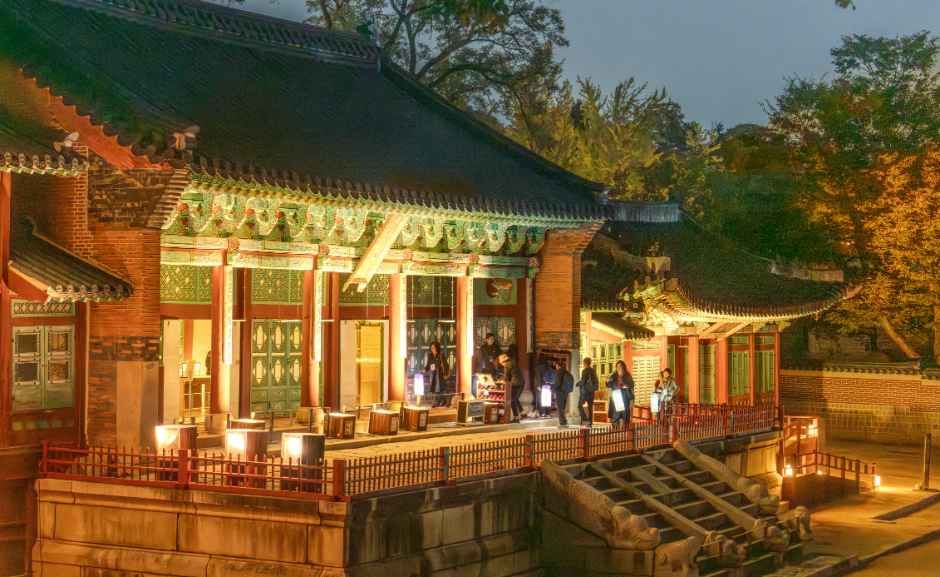
Gyeongbokgung Starlight Night Tour
Gyeongbokgung Starlight Night Tour is a nighttime exploration program that tours the nort…
Family-friendly festivalsFestivals for couples
Walk ~1 hr 16 minBike ~22 minDrive ~15 min
 D-13
D-13Sep 12
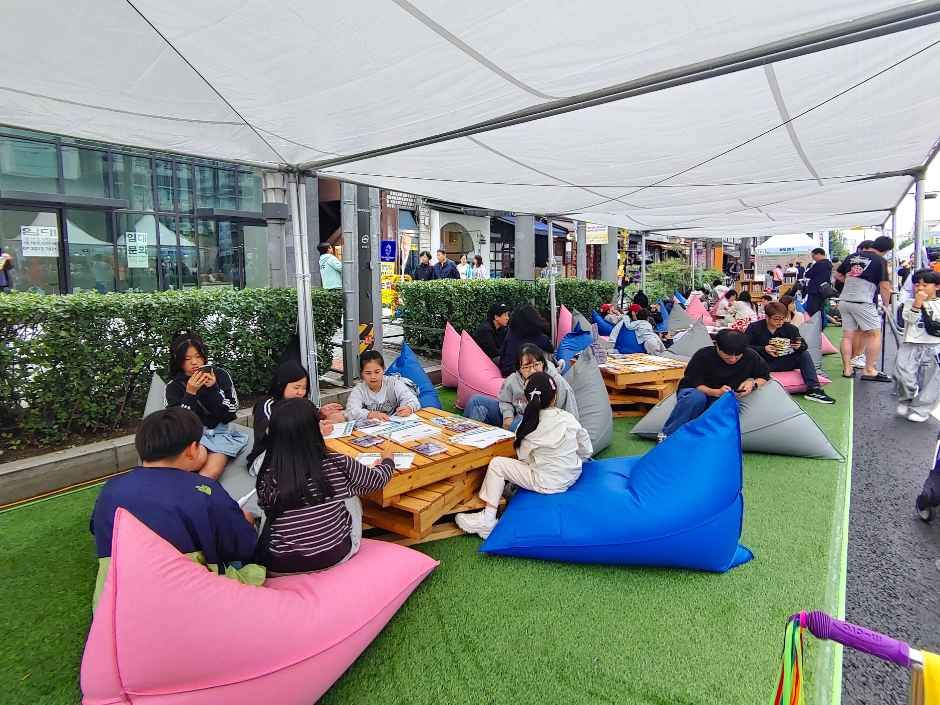
Dongdaemun-gu Book Festival
The 2026 Dongdaemun-gu Book Festival is a reading culture promotion festival held to coin…
Family-friendly festivals
Bike ~48 minDrive ~32 min
Eommasun Tteokbokki · Visits and features
See what each feature ordered, described, and highlighted about the visit.
Korea's Two Greatest Tteokbokki Rivals
Comparing Eommason Tteokbokki and Lee Jeong-hui Tteokbokki near Myongji University in Seodaemun-gu.
Tray-style tteokbokki with a curry aroma and a distinctive spice character. The video also introduces eating it with added jjolmyeon or ramyeon noodles.
Taste notes from the video
The gochujang-based sauce has intense sweetness, slight heat, and deep savoriness, along with a curry aroma and a distinctive spice character. The rice cakes are soft and chewy, while the jjolmyeon noodles absorb the sauce well.
Key visit points
- Both restaurants serve tray-style tteokbokki.
- Ramyeon noodles and jjolmyeon noodles can be added.
- Eommason Tteokbokki has a curry aroma and a distinctive spice character.
- Lee Jeong-hui Tteokbokki is sweeter and more strongly seasoned, with a thicker broth.
- Fried foods and large gimbap are recommended with Lee Jeong-hui Tteokbokki.
Seodaemun Tteokbokki Tour 🔥 A proper feast in search of nostalgic school-front tteokbokki 🍴
They tour 3 long-established tteokbokki restaurants in Seodaemun-gu, Seoul, reliving memories of school-front tteokbokki.
A long-established neighborhood tteokbokki restaurant on Jeungga-ro 10-gil in Seodaemun-gu, Seoul. It is shown as a place to eat curry-scented tteokbokki, sundae, and chewy noodle add-ons together.
Taste notes from the video
The tteokbokki has a curry aroma and is spicy and sweet. The sundae is soft, and the chewy noodles are thoroughly coated in seasoning, so they are not bland.
Key visit points
- They visit 3 popular tteokbokki restaurants in Seodaemun-gu in sequence.
- At Railroad Tteokbokki, they eat tteokbokki, sundae, gimbap, mini dumplings, seaweed rolls, egg, and fish cakes.
- At Sak Handmade Fritters Ewha Main Branch, they eat banana fritters and several other fritters together.
- At Mom’s Touch Tteokbokki, they taste tteokbokki, sundae, mini gimbap, and chewy noodle add-ons.
- All 3 places have the atmosphere of long-established neighborhood tteokbokki shops and distinctly different seasoning flavors.